Creating an appealing tile showroom requires careful planning, especially with heavy inventory. When store managers plan how to organize a tile showroom, they want to combine clean design with efficient floor space. Floor stacks often lead to chipped edges, unhappy customers, and wasted space. Organizing your tiles properly directly improves sales and customer satisfaction.
Transitioning to Modular Vertical Systems
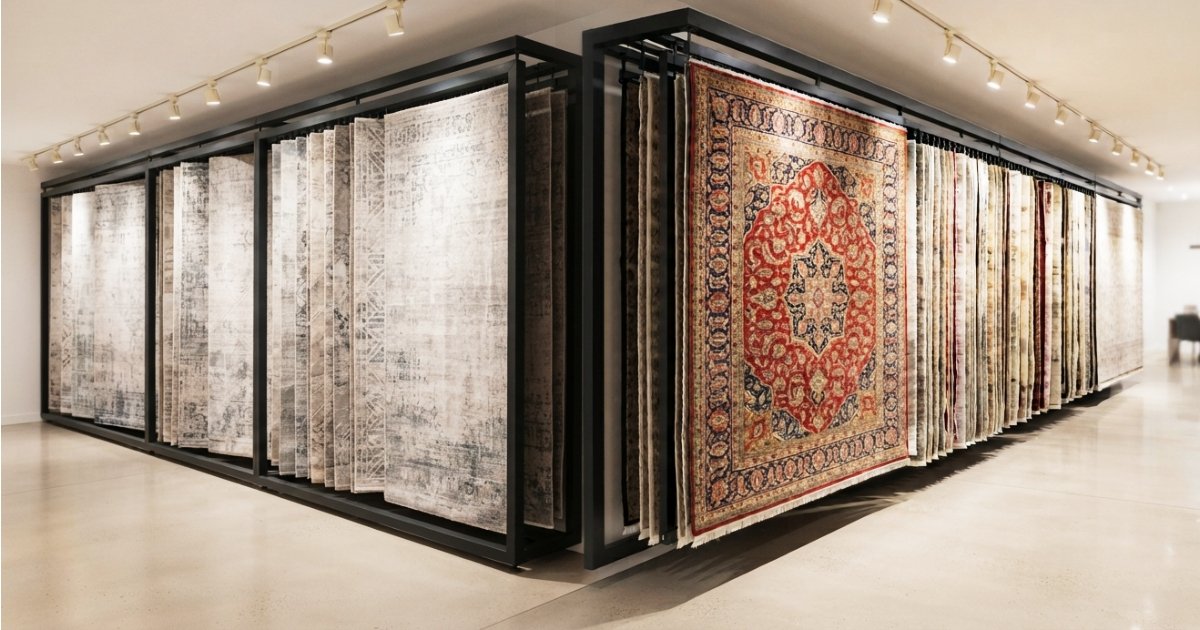
A well-organized tile gallery relies on vertical display frames. These frames keep samples safe while letting clients browse with ease. Instead of stacking ceramic, porcelain, and stone tiles in messy piles, smart showroom design uses vertical fixtures.
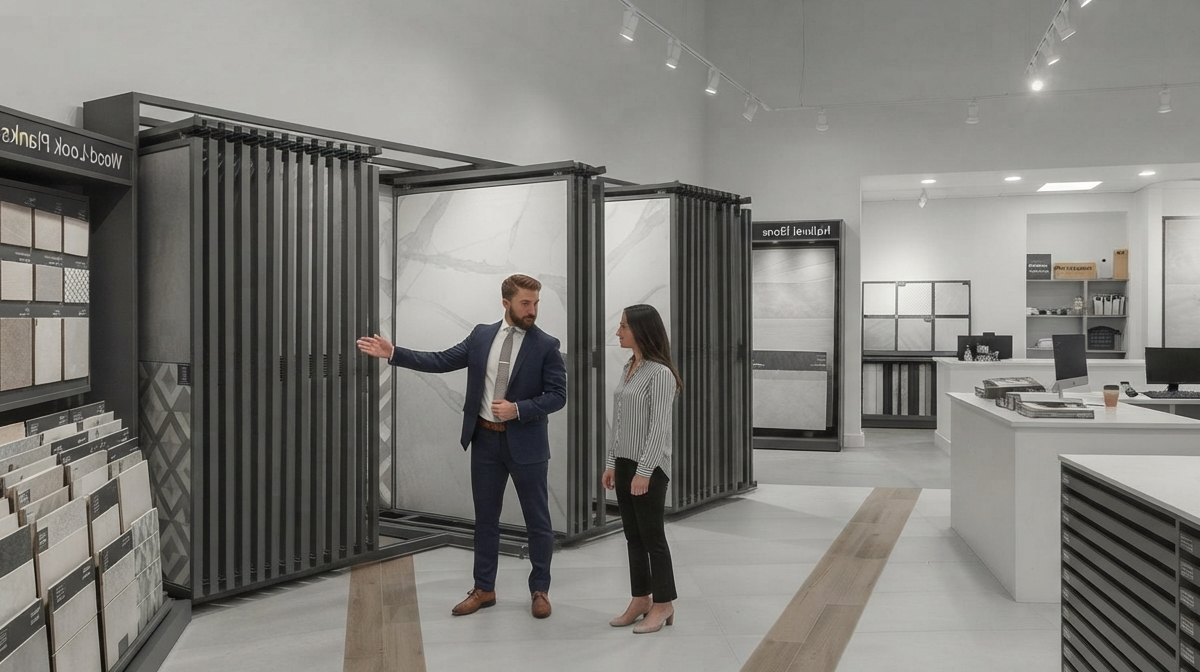
- Sliding Panel Fixtures: A sliding tile display system lets visitors slide and view large tile panels within a compact footprint.
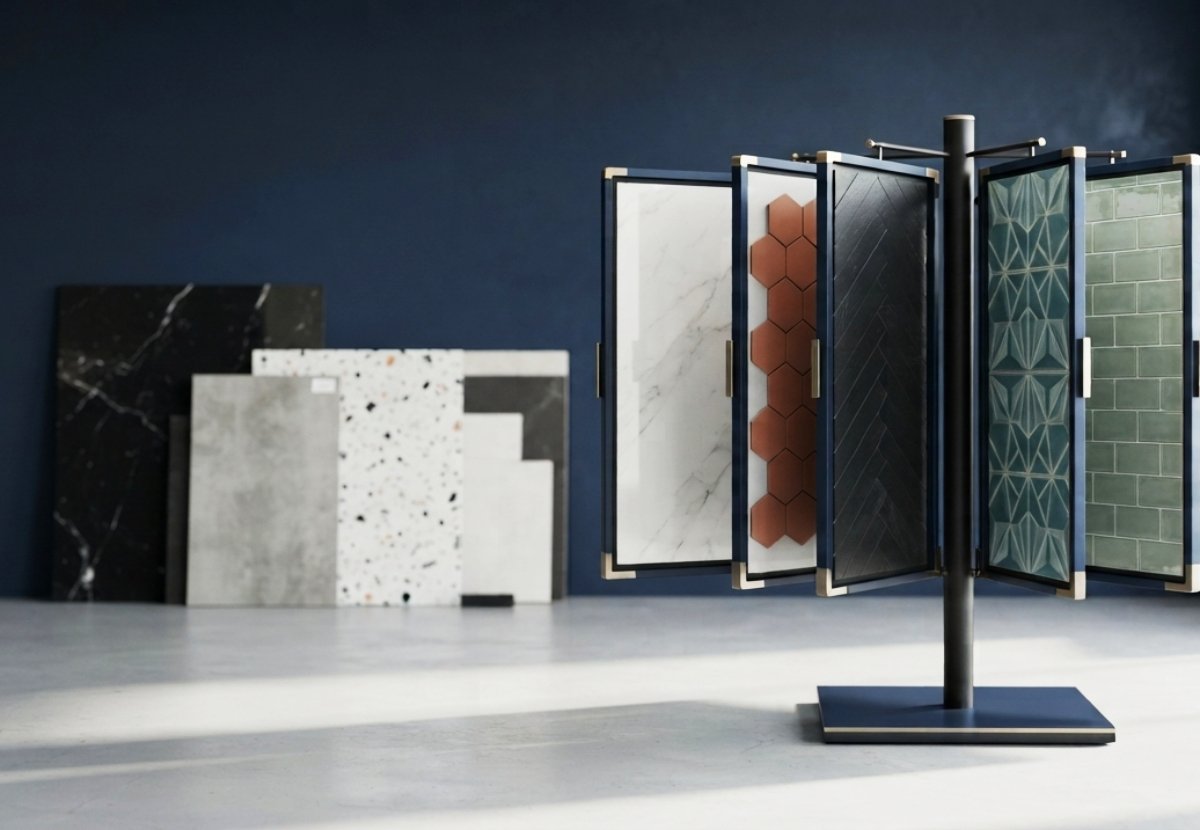
- Specialized Sample Racks: A dedicated showroom tile sample display rack gives your team an easy way to present color options and surface finishes during client visits.
Optimizing Lighting and Customer Flow
Organizing a tile showroom is about more than display racks. It also means guiding the buyer smoothly through your store. Tiles react strongly to light, so good lighting is essential.
- Strategic Lighting Placement: Place display stands under balanced gallery lights to show off glazes, matte finishes, and stone patterns clearly.
- Clear Walkways and Zoning: Group materials logically by type, such as natural stone, polished porcelain, and outdoor pavers. Keep main aisles wide and open.
- Accessory Protection: Protect sample corners and edges from chips during daily handling by using durable hardware and edge guards.
A clean showroom layout turns heavy building materials into an inspiring collection of design ideas.
Integrating Backroom Inventory Management
Your front displays attract buyers, but good backroom storage keeps your business running smoothly. Storing backup stock neatly lets your staff fulfill orders fast without disrupting shoppers on the main floor.
Conclusion
Knowing how to organize a tile showroom improves your retail space and speeds up sales decisions. Replacing floor stacks with sliding display systems and sample racks creates a professional space for designers, contractors, and retail buyers.