Running a successful carpet and rug storefront requires more than just filling a room with beautiful merchandise. When interior designers, retail buyers, and homeowners walk through your doors, they evaluate your brand based on presentation, organization, and accessibility. Implementing smart retail display tips for rug stores can fundamentally transform your floor efficiency and close high-value sales.
Traditional merchandising often relies on stacking massive woolen pieces directly on top of each other. Unfortunately, this outdated approach hides your best inventory, traps dust, and makes it difficult for customers to inspect patterns.
| Merchandising Challenge | Traditional Method | Modern Showroom Strategy |
|---|---|---|
| Inventory Footprint | Horizontal floor piles | Vertical sliding panel racks |
| Sample Evaluation | Heavy physical lifting | Interactive pullout browsing |
| Store Atmosphere | Cluttered and dark | Clean “quiet luxury” aesthetic |
1. Eliminate Floor Clutter with Vertical Hardware
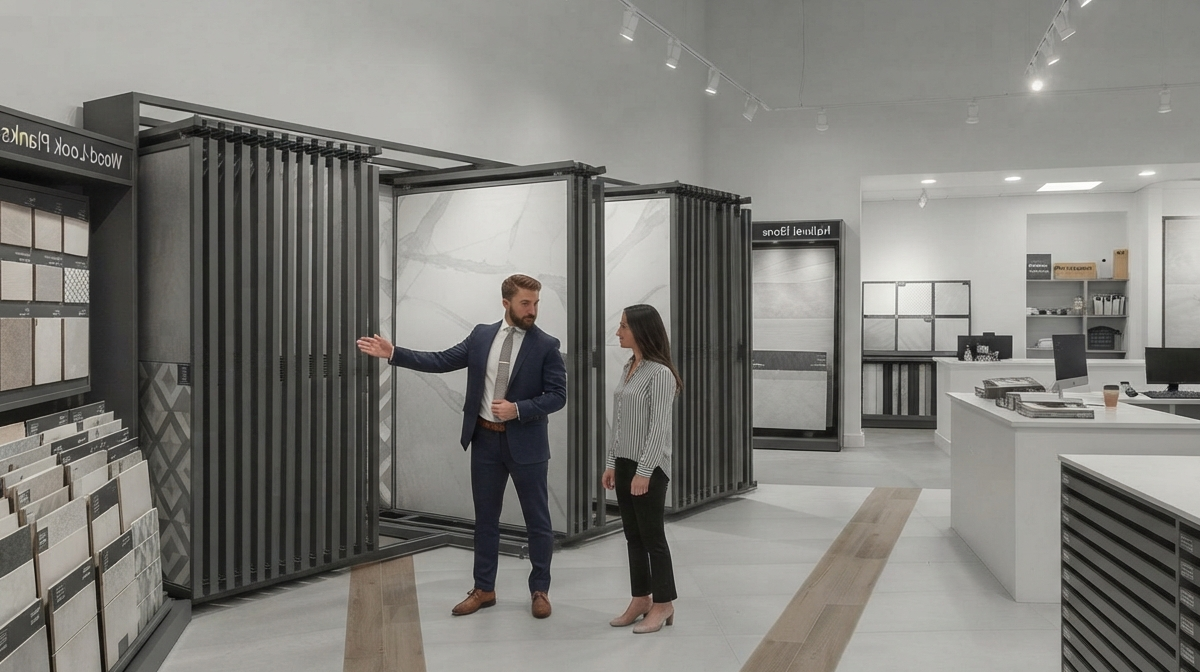
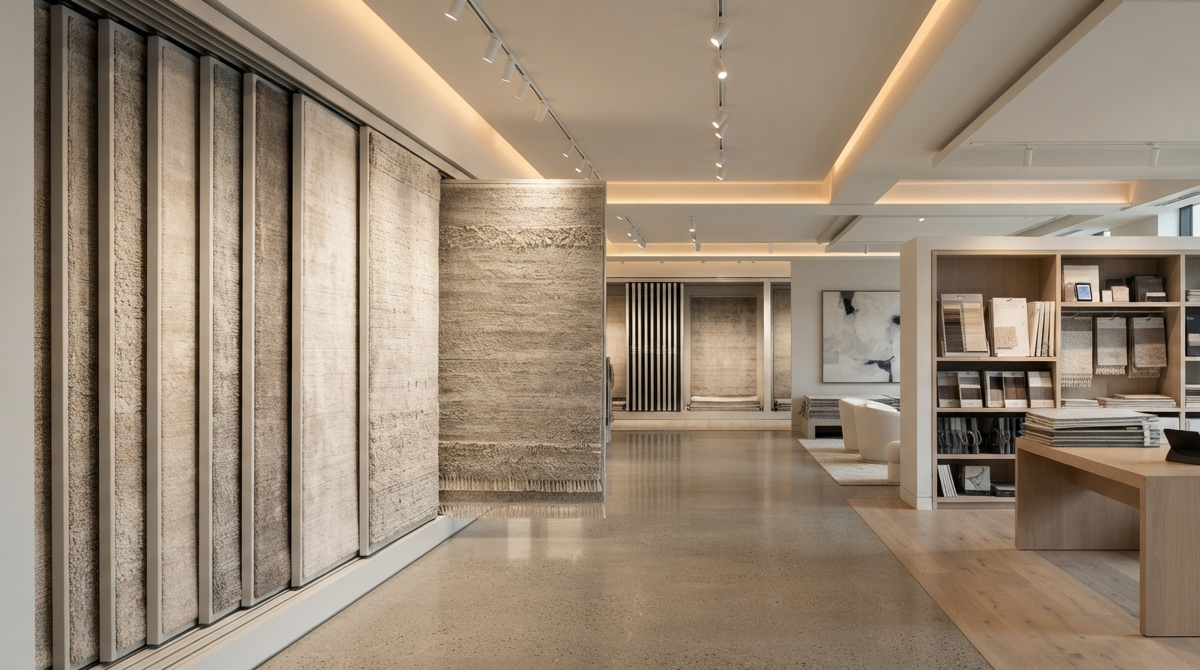
The foundation of any profitable carpet showroom is spatial optimization. Keeping heavy hand-knotted wool rugs or flatweave dhurries flat on the ground limits your active display range and wears down delicate fibers. By upgrading to specialized hardware, you can display dozens of full-size options safely. If you are managing large volume orders across an expansive commercial floor, investing in structural bulk order carpet display racks ensures your inventory remains organized and accessible.
2. Apply Proven Retail Display Tips for Rug Stores
To stand out in a competitive market, store owners must treat their floor layout like a curated art gallery rather than a warehouse. Incorporating effective retail display tips for rug stores helps guide client foot traffic naturally toward your highest-margin pieces.
- Maintain Wide Walkways: Ensure main aisles are at least four to five feet wide to accommodate interior designers and commercial contractors comfortably.
- Zone by Aesthetic: Separate traditional Persian designs from modern organic or geometric flatweaves to prevent cognitive overload.
- Secure Fastening: Use professional-grade hardware like carpet display clips stainless steel to secure borders neatly without damaging textile structures.
A well-organized showroom does not just display a product; it communicates the uncompromised quality and heritage of the manufacturer.
3. Leverage Layered Lighting to Highlight Textures
Color rendering and shadow control can completely make or break a textile sale. Harsh overhead fluorescent lights wash out natural vegetable dyes and subtle wool undertones, while dim lighting hides intricate knot density. The best approach is to combine warm ambient track lighting with concentrated spotlights over your primary feature displays, mimicking advanced setups equipped with carpet display systems with integrated LED lighting.
Step-by-Step Showroom Optimization Checklist
Before launching a new seasonal collection or welcoming a group of corporate buyers, walk through this quick operational audit to ensure your presentation is pristine:
- Dust and Align: Inspect sliding tracks every morning, wipe down metal frames, and straighten all fringe lines.
- Refine Tagging: Remove messy handwritten paper tags and replace them with sleek metallic labels or clean digital QR specifications.
- Audit Sightlines: Stand at the main entrance and ensure nothing blocks the view of your flagship masterpiece collections.
Conclusion
Mastering essential retail display tips for rug stores is an indispensable investment in your brand’s commercial profitability. By moving away from unstructured floor stacks, optimizing your spatial layout, and upgrading to professional sliding hardware, you protect your luxury inventory while creating an unforgettable buying environment.
Implementing these trusted retail display tips for rug stores guarantees that every visitor leaves with a profound appreciation for your craftsmanship and design authority.