When interior designers, architects, and retail clients walk into a carpet showroom, they are looking for inspiration, touch, and absolute clarity. For traditional rug manufacturers, exporters, and retail store owners, finding the best way to showcase carpet samples is critical to transforming casual visitors into high-value commercial partners. When your floor is cluttered with loose swatches or heavy stacks, customers struggle to evaluate quality, texture, and pattern flow.
Elevating your product presentation requires moving past unstructured piles and adopting a systematic approach to retail display architecture. Below, we break down ten expert strategies to help you showcase carpet samples professionally, maximize your showroom layout, and drive higher sales conversion rates.
1. Upgrade from Flat Piles to Vertical Swing Panels
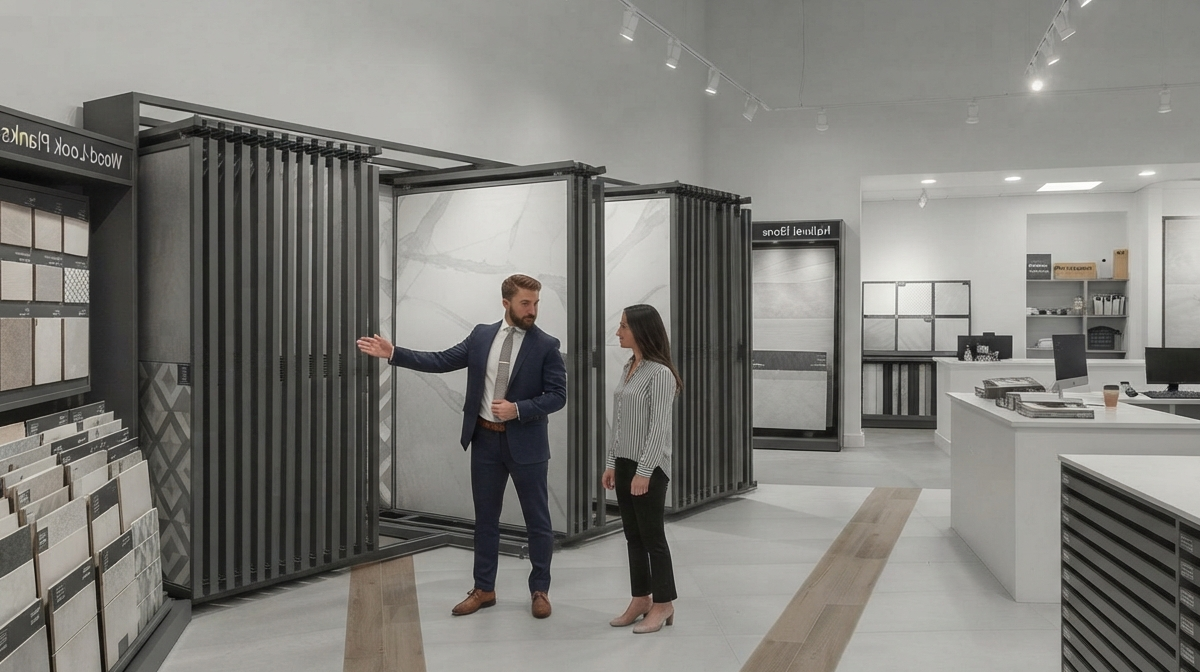
The single biggest impediment to retail efficiency is keeping carpet samples flat on the floor or stacked in heavy heaps. Not only does this obscure your inventory, but constant handling also damages delicate fibers and backing edges. Implementing vertical swing panels or sliding sample racks allows you to display dozens of heavy textile boards within a minimal footprint. This layout lets clients effortlessly flip through options like an open book.
2. Implement Dedicated Swatch and Ring Binders for Designers
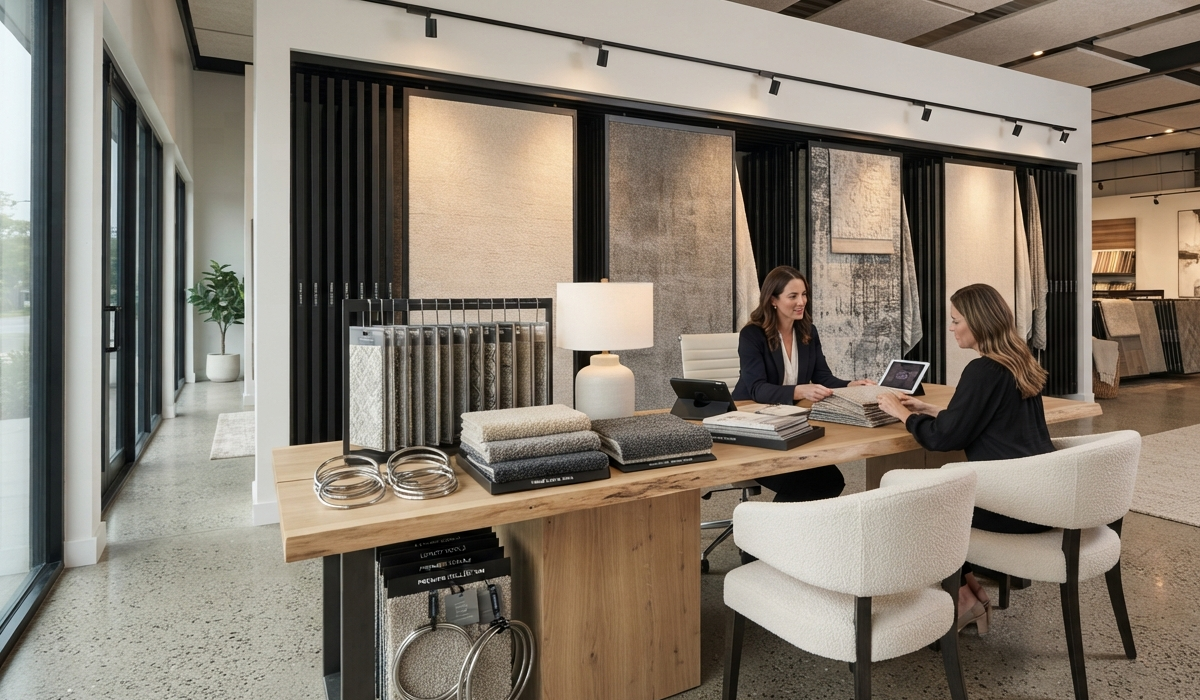
Interior designers and B2B trade buyers rarely purchase full-sized carpets on their initial visit; they need portable material boards, hand-tufted swatches, and color rings to match with other interior elements. Creating a dedicated consultation counter stocked with stainless steel sample rings and compact presentation boards ensures trade clients can easily analyze yarn density, pile height, and backing quality up close.
3. Optimize Showroom Lighting for True Color Accents
Color rendering can make or break a textile sale. Harsh, cool-toned overhead fluorescent lighting washes out vegetable dyes and subtle wool undertones, while overly dim lights hide intricate craftsmanship. The best way to showcase carpet samples is to layer your lighting design by combining warm ambient track lights with concentrated spotlights over key display fixtures. True color accuracy builds immediate buyer confidence.
4. Categorize Samples by Texture, Weave, and Material
A disorganized showroom creates cognitive overload. Never mix heavy hand-knotted wool samples directly next to modern machine-woven synthetics or flatweave dhurries. Group your physical samples into logical, dedicated zones—such as organic wools, vintage distressed finishes, and modern geometric textures. Clear categorical separation helps buyers navigate your collection intuitively.
5. Design Open Consultation Zones with Generous Walkways
When organizing your showroom layout, traffic flow is just as important as the racks themselves. If your aisles are cramped, high-end clients will feel rushed and uncomfortable. Keep primary walkways open and unobstructed, leading directly into comfortable seating areas where clients can lay out multiple sample boards side by side to compare color palettes and patterns.
6. Use Neutral Backgrounds and Minimalist Architecture
Your showroom architecture should amplify your textiles, not compete with them. Loud wallpaper, patterned floor tiles, or overly bright walls distract the eye from noticing the detailed craftsmanship of your carpet samples. Sticking to a refined “quiet luxury” palette—such as matte off-whites, warm greys, or muted charcoal finishes—allows the rich hues and textures of your samples to stand out.
7. Highlight Designer Collections on Feature Walls
Every inventory has standout pieces—extraordinary hand-knotted masterpieces or custom designer collections that showcase your manufacturing capabilities. Instead of hiding these premium items inside standard pullout racks, mount them cleanly on a dedicated feature wall near your entrance. This creates an immediate visual anchor that commands attention and establishes high brand authority.
8. Integrate Clear, Minimalist Pricing and Technical Tags
Avoid messy, handwritten paper labels that cheapen the look of luxury carpets. Instead, use clean metallic tags, engraved plates, or discrete QR codes linked to your digital product inventory. This allows trade buyers to scan specifications instantly—including dimensions, weight, fiber composition, and global shipping options—without disrupting the clean aesthetic of the display.
9. Maintain Daily Dusting and Hardware Checks
Even the most exquisite hand-tufted samples will look dull if they collect showroom dust or show mechanical wear. Establish a morning maintenance checklist to inspect sliding tracks, wipe down metal frames, straighten fringe edges, and clean display panels. A pristine, flawlessly operating display communicates uncompromising quality.
Conclusion
Discovering the best way to showcase carpet samples is an ongoing investment in your brand’s commercial success. By transitioning from unstructured floor stacks to professional sliding hardware, optimizing your lighting, and creating dedicated consultation zones, you protect your inventory while delivering an unforgettable buying experience.